Where Waters Meet
People come to yoga for a variety of reasons, but I’ve never heard anyone say it’s because of the health of their kidneys. But that may be what you get, especially from certain practices.
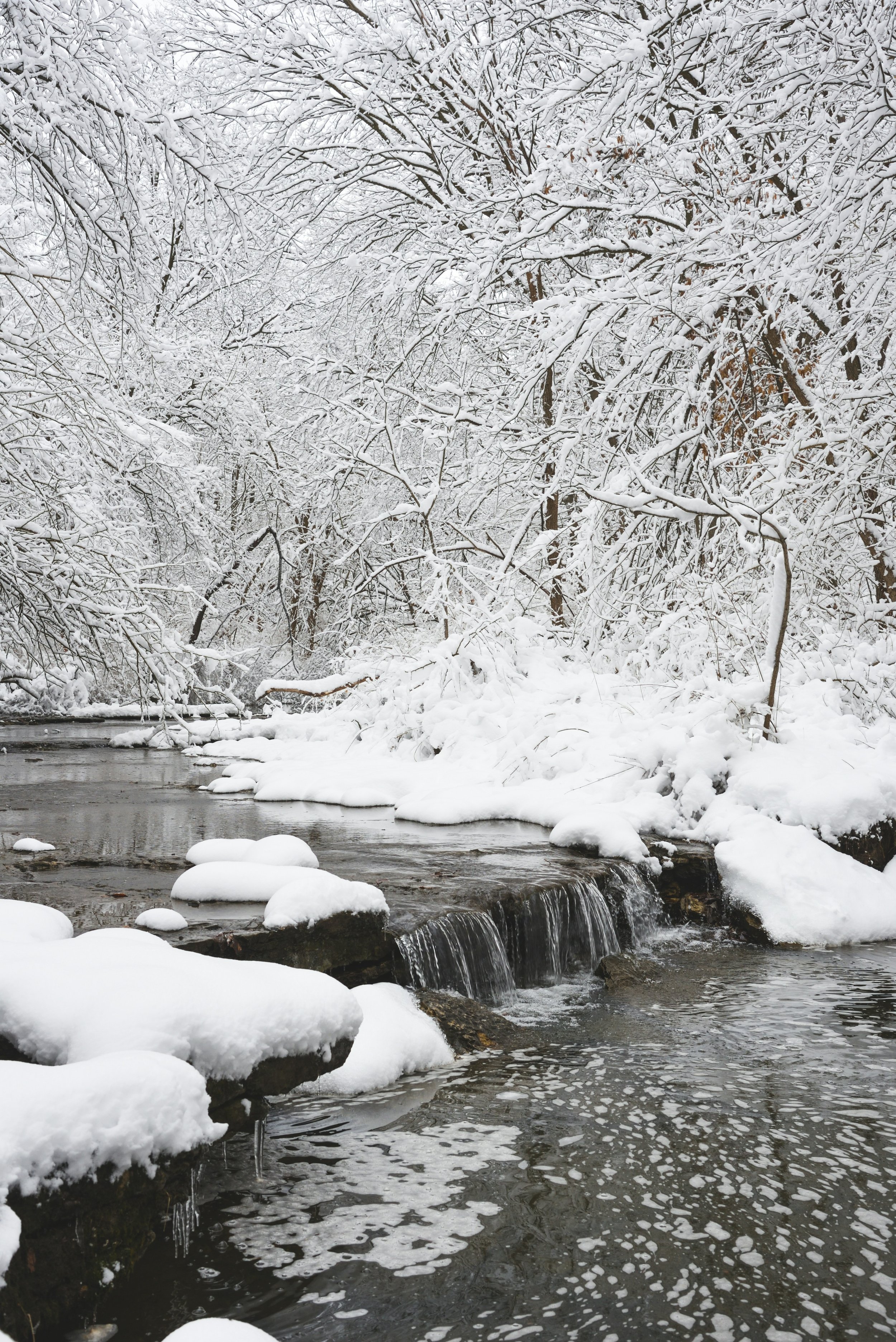
Last summer, one of our community members went to Greece, and it was a dream come true trip. The way she talked about the water there has stayed with me. The color, the salt, the light, and how her daily rhythm shifted. She said that in Greece, swimming every day is part of the culture—immersing oneself in the water, floating, and being held by it was a daily ritual.
She described the sensation of being completely supported, buoyant, and at ease—and I could almost feel it: the body letting go into the element that sustains life.
In yoga practice, we become more aware of our own waters. Science tells us that we are approximately 60 percent water, and that, in particular, our bones, which we often think of as being solid and dry, are also mostly water. They are living tissues, flowing with marrow, nourished by the flows within. In the Chinese medicine framework, it is especially the kidneys that nourish our bones. It is our kidneys that supply our bones with their water.
When we engage in muscle strengthening activity, we’re not just building strength in the conventional sense. We’re creating movement in our inner tides. The contraction and release of muscle acts like a pump, circulating lymph, blood, and the subtle waters of our body. It’s what keeps our tissues hydrated, our joints lubricated, and our energy replenished.
It is like making—and then nourishing ourselves with—our own bone broth.
This is the deeper meaning I find in the modern health guideline that recommends adults do “muscle-strengthening activities of moderate or greater intensity involving all major muscle groups on two or more days a week.” The phrase sounds clinical, but what it’s really describing is how we maintain the integrity of the waters that hold us; it is how we keep life moving through us.
Strength training—whether it’s lifting weights, carrying groceries, doing yoga, or swimming—is a way of participating in that flow. It gives the body tone and structure not through rigidity but through rhythm. Like the waves against the shore, effort and release shape us over time.
So when I think of my friend floating in Greece, I see not just a body held by the sea, but a reminder of what supports us from within. The water, a polarity of strength, and letting go—but they’re not opposites. The waters within and outside of our bodies are part of the same current. Where they meet is ours for the noticing.
River speaks to me in whispers and slow rhymes. River says, “Watch me. I am unhurried, and I have been for millions of years. I know my rhythm and the very drumbeat of life. I am soft and fluid, yet I change everything I touch. I am changed by everything that touches me. I resist nothing. Most years, I am gentle.” Octavia F. Raheem

Please check the website for our holiday schedule + a special Where Waters Meet New Years Day class!